You’ve probably seen it a hundred times in movies—the suspect hooked up to wires, sweat dripping, eyes darting, and then… the examiner announces, “The polygraph says you’re lying.” It’s dramatic, tense, and feels like science fiction made real. But here’s the thing: in real life, a polygraph test isn’t nearly that black and white.
I remember my first encounter with a polygraph. A friend’s brother was going through a pre-employment screening for a security firm. He came home white as a sheet, nervously tapping his foot, talking about how weird it felt to be hooked up to tubes and sensors while someone asked him questions. The machine made these subtle beeps and scribbles, and he swore every twitch of his finger was being read like a confession.
That’s the allure—and the anxiety—of polygraph tests. They promise insight into truthfulness. But they also carry a heavy dose of uncertainty. Let’s break it down.
What a Polygraph Test Actually Measures
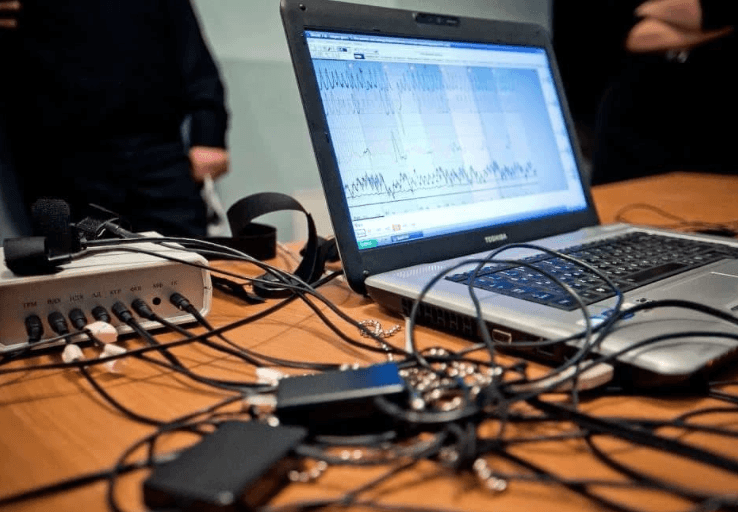
Here’s where most people get confused: a polygraph doesn’t read minds. It doesn’t detect lies directly. Instead, it measures physiological responses—things like heart rate, blood pressure, respiration, and skin conductivity. When your body reacts to stress, the machine picks it up.
Think about that for a second. Imagine you’re asked whether you took a pen from your office. You didn’t. But suddenly, your palms sweat because the question is weird, or because the examiner’s tone makes you uncomfortable. The polygraph might flag that as suspicious. On the flip side, someone who’s a practiced liar might stay calm and get a “clean” reading.
In other words, it’s less about truth or lies and more about how your body reacts under pressure. Some people call it a stress detector disguised as a lie detector—and that’s not too far from the truth.
The Human Factor
Let’s be honest: a polygraph test is as much about the examiner as it is about the machine. The person asking the questions sets the tone, interprets the readings, and even decides which questions matter.
I’ve heard stories from friends who’ve taken polygraphs. One of them said the examiner made casual conversation first, talking about sports and movies, then dropped in the critical questions. She described feeling relaxed at first, then suddenly aware that every heartbeat felt exaggerated. That’s exactly what an experienced examiner wants—you react naturally at first, then your responses under pressure get recorded.
It’s a strange mix of science and theater. The machine is precise, but humans are interpreting the signals. And humans are notoriously tricky to predict.
How Accurate Are Polygraph Tests?
This is the million-dollar question. Accuracy rates often get tossed around as if they’re carved in stone. Some sources claim polygraphs are up to 90% accurate. Others insist they’re closer to 60–70%. Here’s the catch: accuracy depends heavily on context.
In controlled lab studies, where examiners know exactly what’s being tested, polygraphs can be fairly reliable. But in the real world—think job screenings, criminal investigations, or personal disputes—variables skyrocket. Anxiety, fear, confusion, and even the examiner’s own biases can skew results.
One case I read about involved a veteran applying for a law enforcement job. He’d never committed a crime, but the stress of the test made his physiological responses spike. The polygraph flagged him as deceptive. He eventually passed after a retest, but the first impression stuck with the agency for weeks. Accuracy isn’t just a number; it’s a messy, human process.
Mini Scenario: The Job Screening
Imagine this: you’re applying for a high-security position. You’ve prepared meticulously, but the examiner asks a personal question unrelated to the job. You flinch slightly—not because you’re hiding anything, but because it catches you off guard. The machine picks up the change.
Now, your fate seems linked to a series of beeps and scribbles, and suddenly, every nervous twitch feels monumental. That’s how a polygraph can feel invasive, even when there’s no wrongdoing.
It’s not about whether you’re lying in the traditional sense. It’s about how your body responds to the situation. And that’s why even honest people sometimes fail these tests.
Countermeasures and Stress Management
People often ask if it’s possible to “beat” a polygraph. The answer is complicated. There are techniques meant to manipulate physiological responses—like controlled breathing or muscle tensing—but examiners are trained to detect these maneuvers. More importantly, trying to trick a polygraph often raises suspicion on its own.
A more practical approach is stress management. Staying calm, understanding the process, and mentally rehearsing questions can help. One friend I know literally practiced deep breathing exercises for a week before her test. She walked in, relaxed, and passed without issue. It wasn’t magic—it was preparation and self-awareness.
The takeaway? How you react matters more than what you know. Stress is the real variable the machine measures.
Legal and Ethical Considerations
Polygraphs exist in a weird legal gray zone. In many countries, their results aren’t admissible in court. In the U.S., the Employee Polygraph Protection Act limits their use in private employment settings. Some states allow them for law enforcement or criminal investigations.
Ethically, polygraphs are tricky. They can create pressure, anxiety, and even false accusations. Imagine being wrongly flagged because of a quirk in your heart rate. That’s why many experts caution against relying solely on polygraphs for high-stakes decisions.
It’s worth noting: people respond differently to stress. Some sweat at the sight of needles, others get anxious during casual conversation. A machine can’t always distinguish between nervousness and deception. That’s why context, human judgment, and common sense remain essential.
The Human Story Behind the Test
Here’s the thing about polygraphs: they tell as much about people as they do about lies. You see nervous habits, subconscious tics, and the ways stress manifests physically. That’s why taking a polygraph is often an emotional experience. People walk in confident and walk out shaken, even if they did nothing wrong.
I’ve talked to people who said the process made them reflect on themselves. They noticed small reactions they hadn’t realized, patterns in anxiety, even triggers for stress they’d ignored. In a strange way, the polygraph becomes a mirror, reflecting not deception but human vulnerability.
That’s why it’s easy to misunderstand. The readings feel absolute, but they’re deeply subjective. They’re snapshots of a moment, not definitive proof of honesty or guilt.
Should You Take a Polygraph?
If you’re facing one, preparation matters. Know what to expect, practice calm responses, and understand that physiological reactions are normal. Don’t obsess over every heartbeat or twitch—that only makes things worse.
Also, remember that a polygraph is one tool among many. Background checks, interviews, references, and your own reputation matter just as much, if not more. The machine can add pressure, but it doesn’t replace critical thinking, context, or judgment.
Closing Thoughts
Polygraphs are fascinating because they blend science, psychology, and human intuition. They can be useful, but they’re far from foolproof. Your body reacts in unpredictable ways, and examiners interpret those reactions through their own human lens.
If you ever find yourself hooked up to one, try to stay grounded. Breathe, focus, and remember: the machine isn’t reading your soul. It’s reading your stress. And that’s something we all experience differently.
At the end of the day, polygraphs tell a story—but it’s a story full of nuance, not one of black-and-white truth. They’re a window into how humans react under pressure, a glimpse into the ways our bodies betray our emotions, even when our words don’t. And maybe, in a way, that’s the most human part of all.